
KMSS
Storage Units, Tasmania
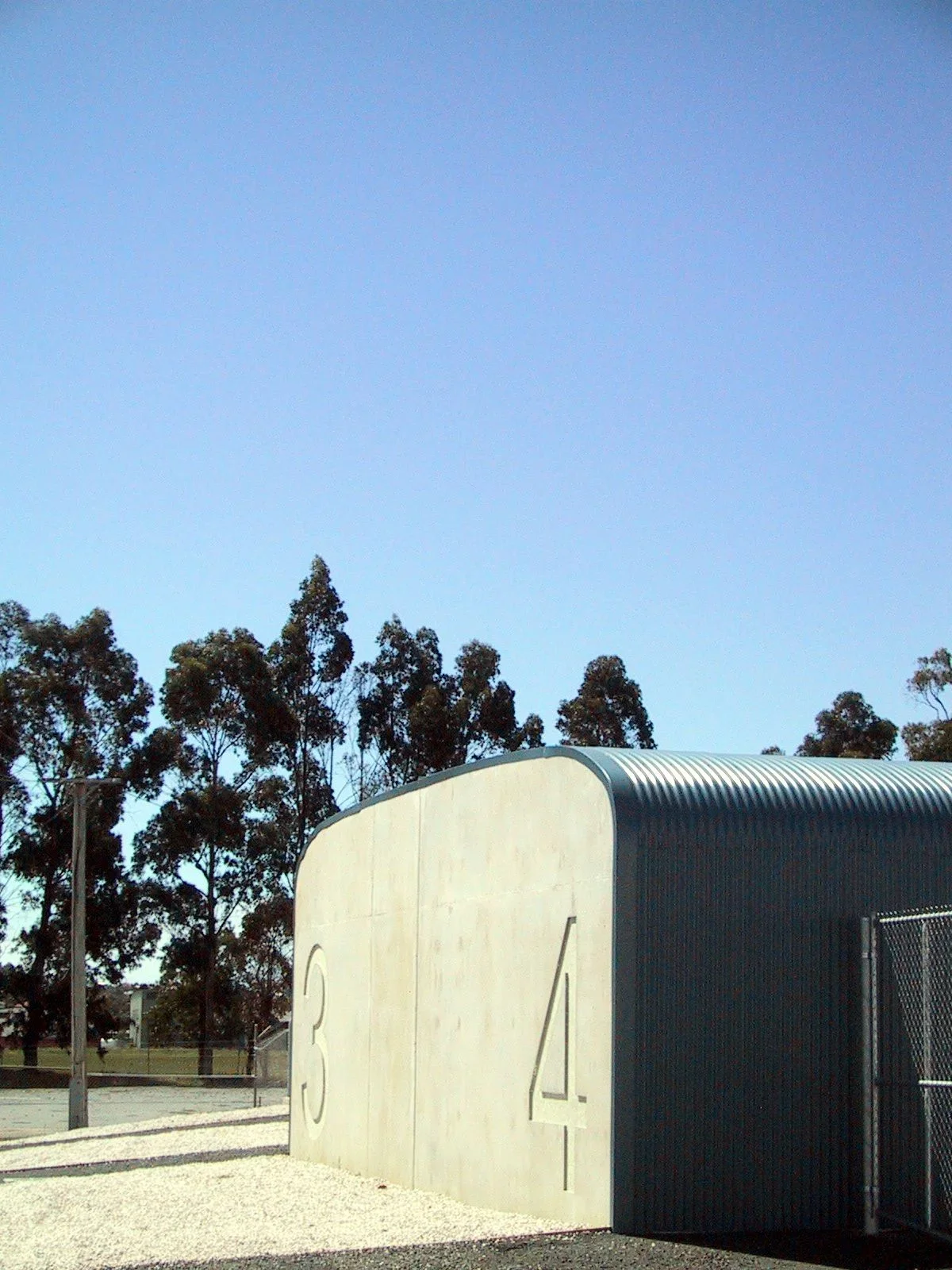
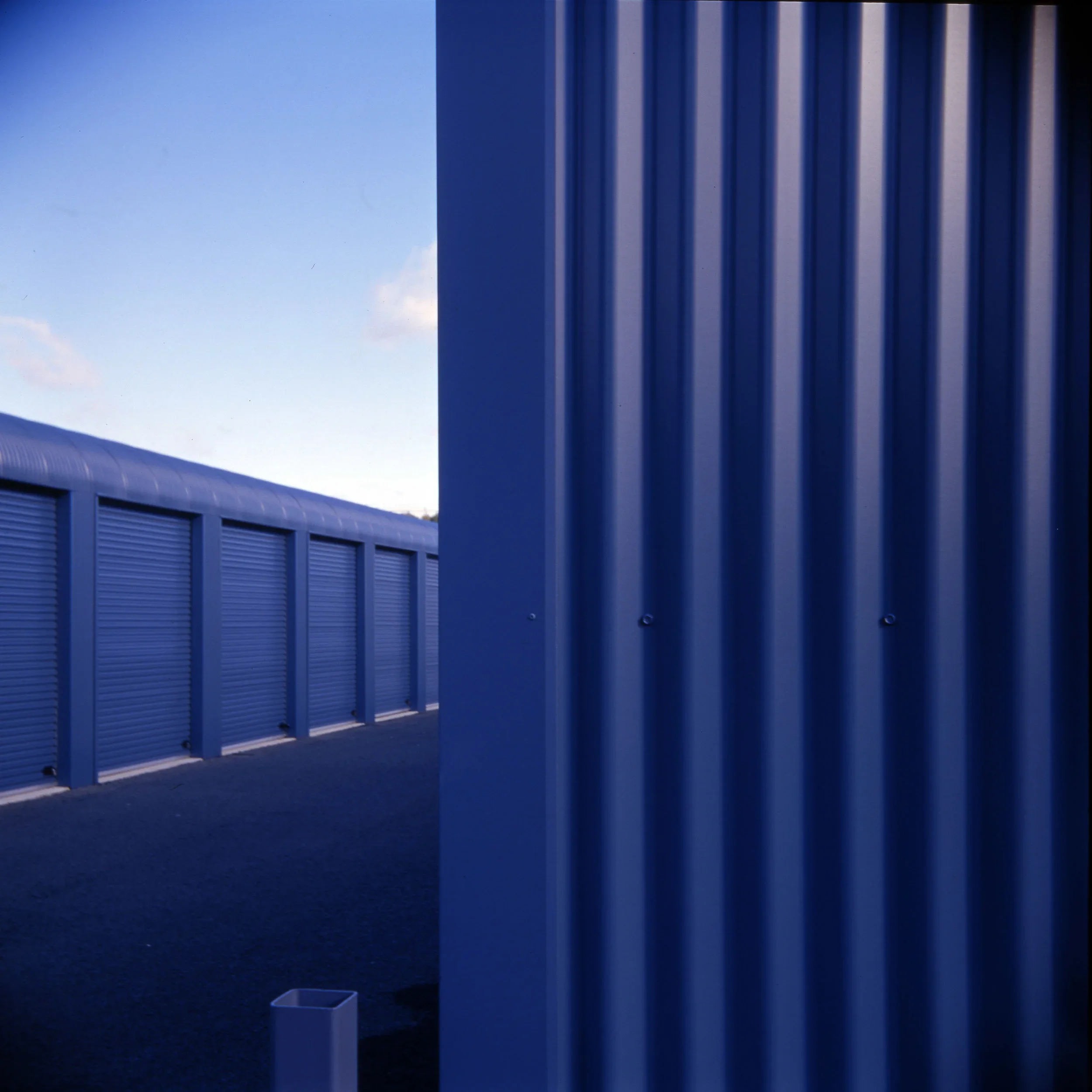

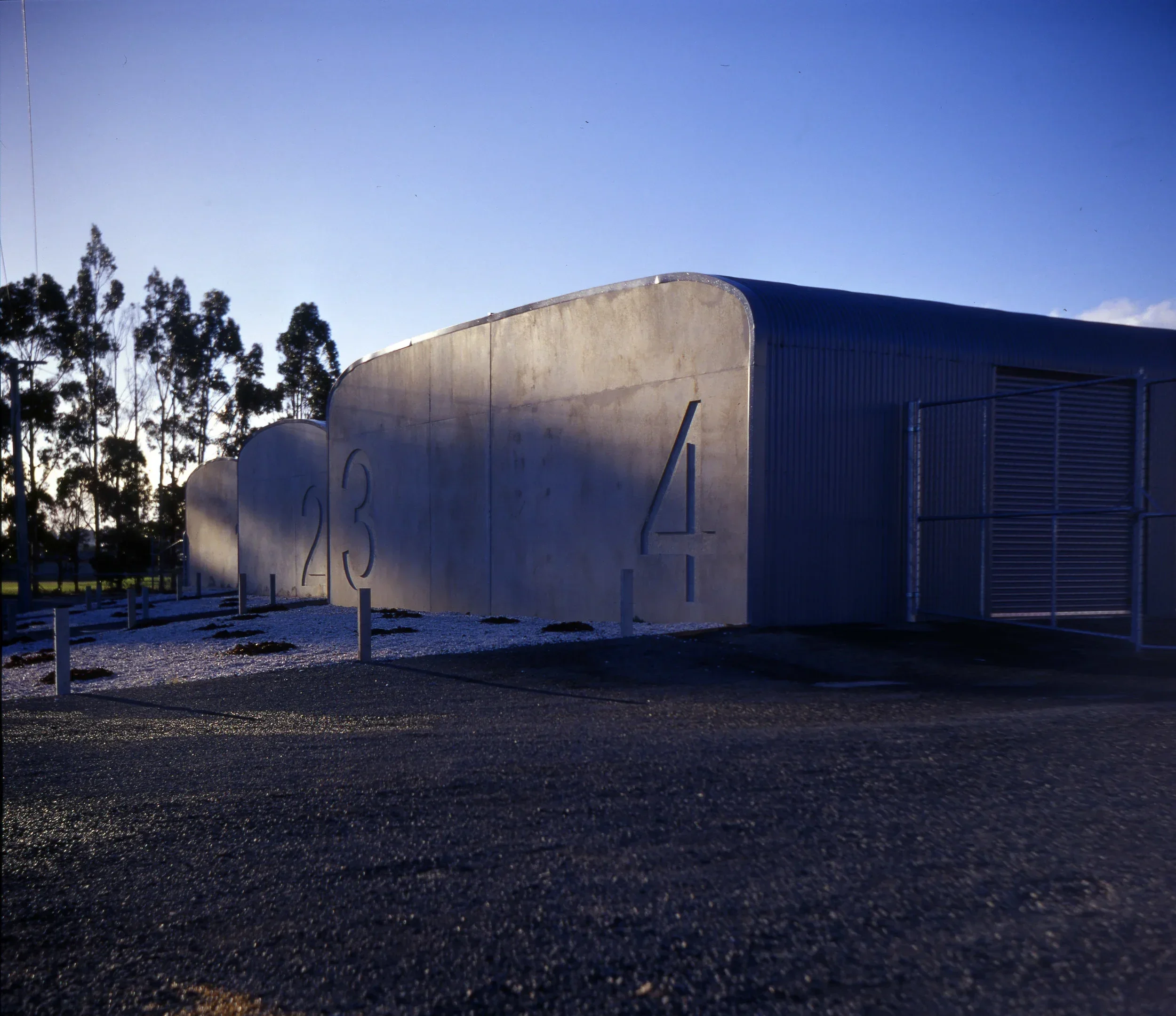
KMSS is the first large-scale project Andrew Maynard has undertaken in Tasmania, Australia—his birthplace. The Melbourne-based architect maintains strong ties to the small, yet formidable architectural community in this unique island state. As his first commercial commission, KMSS provided Maynard with a platform to explore the issues of suburban banality that plagued his youth. Suburban storage units are currently a booming industry in Australia, effectively serving as the new room of the typical suburban house. They are the direct byproduct of a suburban consumer ideology. After television, consumption has become the primary pastime of the suburbs, with consumer items filling every corner of our domestic lives. The storage industry is a literal extension of this accumulation culture.
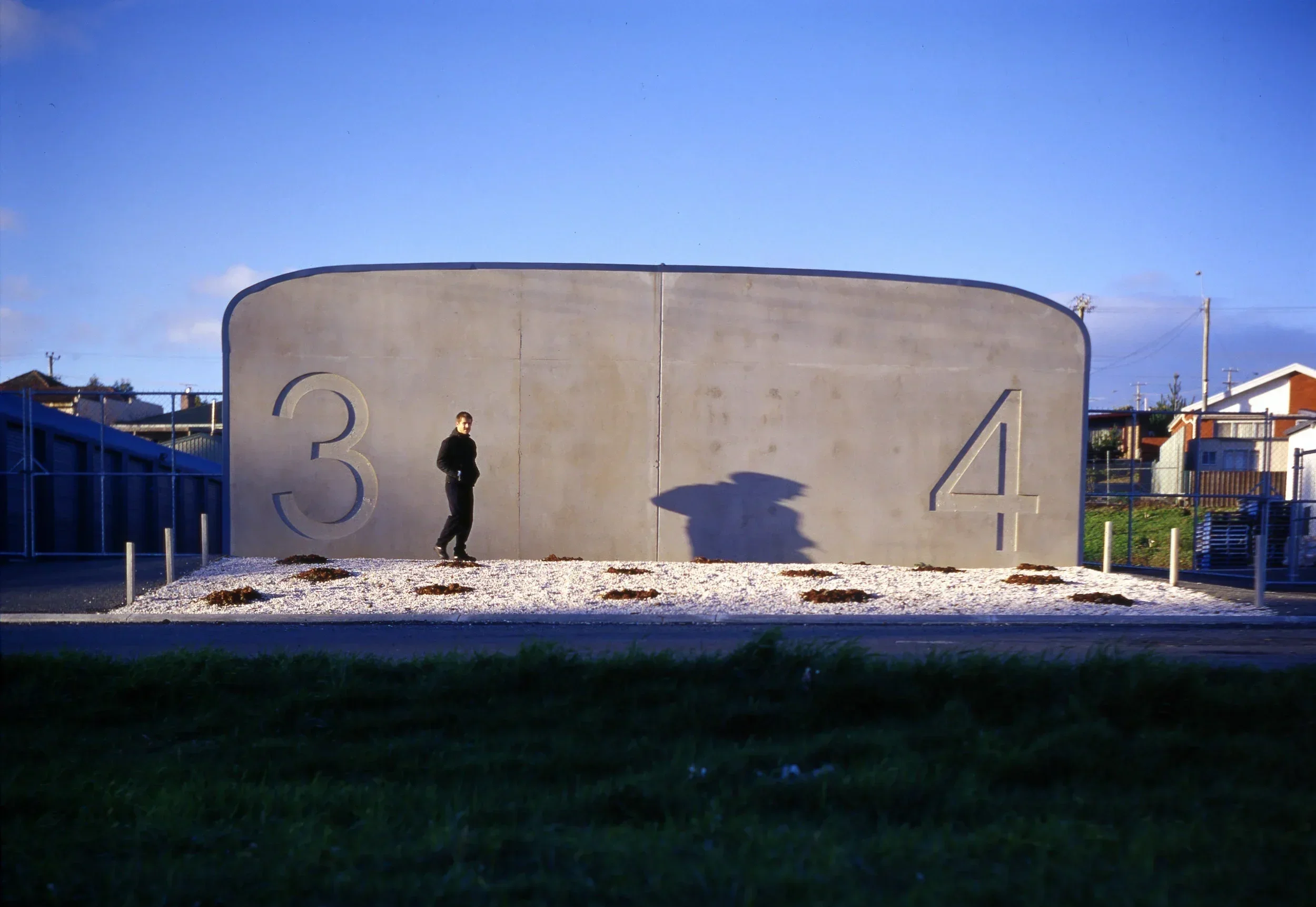
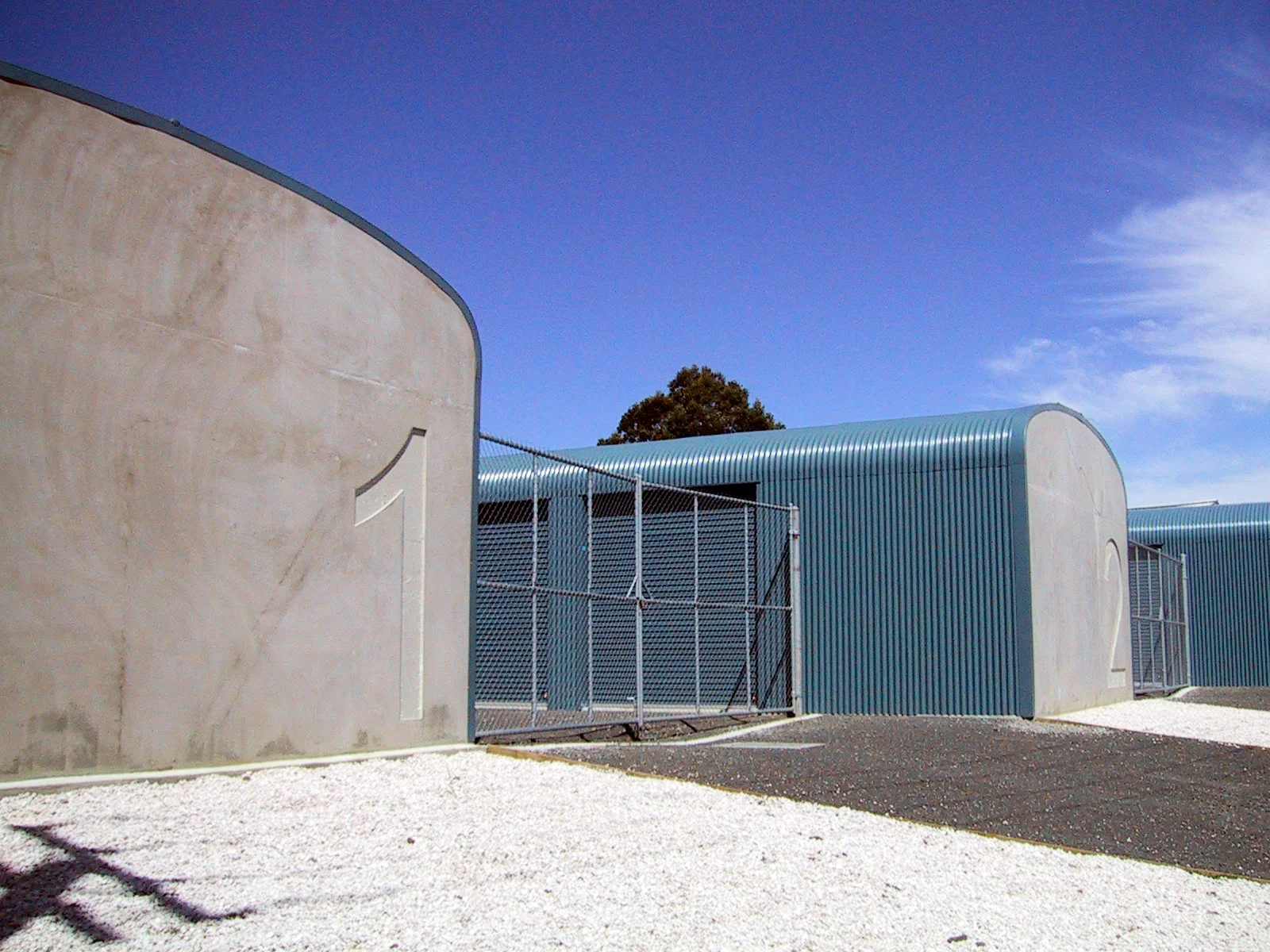
Most storage units occupy the unwanted, pseudo-industrial spaces of the suburbs – the very spatial types that served as the playground for Maynard’s childhood. While studying architecture at the University of Tasmania, Andrew was immersed in the skater community and its accompanying counter-culture. Left-over, rejected spaces like the KMSS site hold deep significance for him. These are the societal margins typically adopted by youth, graffiti artists, and skaters. KMSS allowed Maynard to insert a pragmatic object into a pragmatic landscape, contributing to these neglected zones in a cultural and spatial way, rather than simply dismissing them as unimportant.
A tight budget forced Maynard to adopt a highly conventional material palette. However, this constraint became an opportunity to explore ways of creating "architecture at no extra cost," further subverting the consumerist paradigm. The blank concrete walls at the front of the structures intentionally serve as canvases awaiting sub-cultural decoration. Maynard hopes these surfaces will invite artists to explore socio-political graffiti and stencil art, offering a creative outlet rather than the aggressive, territory-marking vandalism that so often stems from mainstream exclusion.
-
2003
